
Less sediment in storage. Less disruption later.
How Pre-Filtration Reduces Water-Storage Tank Maintenance
Every refill can carry more sediment into a storage tank. A well-planned pre-filter catches part of that load before it reaches storage—helping the tank stay cleaner for longer and making maintenance easier to manage.
The maintenance problem builds quietly
Sediment usually does not arrive all at once. It settles little by little, out of sight, until the tank needs a deeper clean or the material begins affecting the rest of the water system.
Incoming water can carry sand, silt, corrosion particles and other suspended material. When the flow slows inside a tank, heavier particles settle. Refilling and pump cycles can disturb those deposits and send part of the material toward downstream equipment.
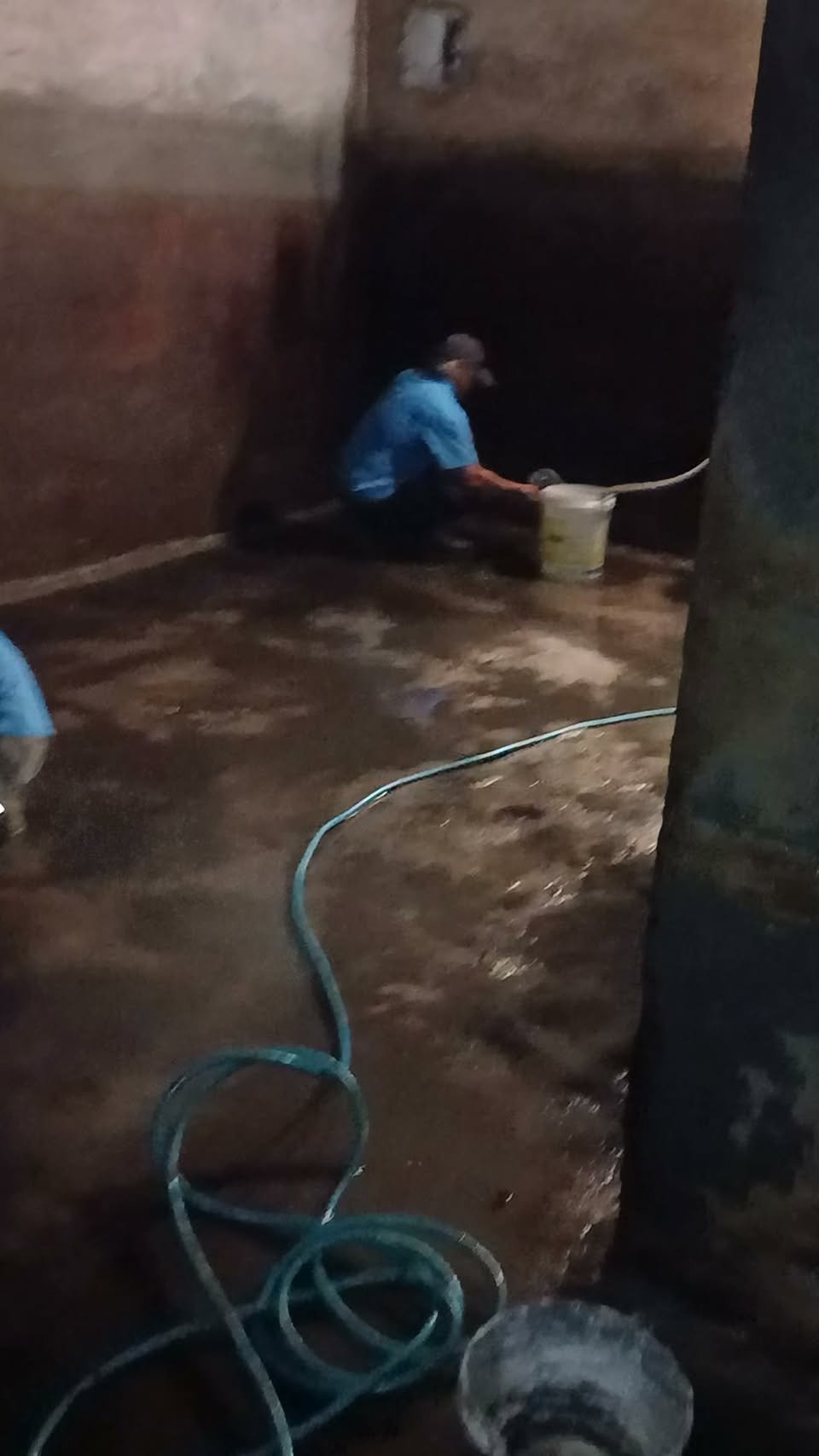
A September 2026 PWS project documented a deep clean of a condominium surge tank. The visible deposits show why storage should be included in the filtration plan—not treated as a separate problem after it becomes inconvenient.
More deposits to remove
Every particle captured before storage is one less particle available to settle at the bottom of the tank.
More work for equipment
Disturbed sediment can move toward pumps, tap strainers and finer filtration stages elsewhere in the property.
More disruptive servicing
Heavy accumulation can turn planned maintenance into a larger, dirtier job for owners and property managers.
What changes when filtration comes before the tank
A serviceable pre-filter moves the first line of sediment control to an accessible point before storage.
- Suitable particles are interceptedThe selected screen or cartridge captures part of the incoming sediment before it can settle inside the tank.
- Loading becomes visibleThe condition of the pre-filter gives the service team an early signal when the incoming water changes.
- Downstream equipment gets reliefReducing coarse solids can lower part of the burden placed on pumps, fine cartridges and point-of-use systems.
- Maintenance becomes easier to planFilter servicing and tank inspections can be coordinated around what the property is actually experiencing.
The pre-filter must remain accessible and maintained. A blocked element can restrict flow, while a neglected flush valve or drain can prevent a self-cleaning design from doing its job.
What pre-filtration can—and cannot—do
The benefit is meaningful, but it is specific. Pre-filtration reduces only the material the selected filter can capture under the property’s real flow and pressure conditions.
It can help
- Reduce suitable sand, silt and coarse particles entering storage.
- Slow the accumulation of some visible tank deposits.
- Make changes in incoming sediment easier to spot.
- Reduce part of the solids load reaching downstream equipment.
It does not replace
- Routine tank inspection and condition checks.
- Cleaning when deposits have accumulated.
- Treatment for dissolved substances or very fine particles.
- Water testing or disinfection when those are required.
Tank entry can be hazardous and should be handled by trained personnel using an appropriate method. Routine cleaning and emergency disinfection after flooding are different tasks; the response should match the reason for the work.
A practical maintenance rhythm for Phuket properties
There is no single cleaning interval that suits every villa, condominium or business. The best plan responds to the source water, sediment load, tank design and what previous inspections found.
Service the pre-filter
Flush, clean or replace the element according to loading and the manufacturer’s instructions.
Inspect the tank
Record accessible deposits, cover condition, vents, overflow, leaks and changes around the inlet or outlet.
Plan from evidence
Use service records and actual conditions to decide when the next inspection or clean should happen.
Inspect sooner after flooding, unusual colour, source switching, supply work, an extended vacancy or unexpectedly heavy pre-filter loading. These changes can matter more than a date on the calendar.
A better outcome for owners and property managers
Make tank maintenance easier to stay ahead of
PWS can inspect the storage and filtration arrangement, assess visible sediment and plan a practical pre-filtration and maintenance approach for the property.